

Table of Contents
Building an e-commerce store involves tackling multiple tasks, from choosing a domain and creating your website to selecting products and setting up product pages. To ensure your online store runs smoothly, you need a reliable hosting company with fast performance and intuitive store creation tools.
The right e-commerce platform can significantly impact your online store’s performance, customer experience, and ultimately your bottom line. With numerous options available, choosing the best platform for your business can be overwhelming.
This guide will explore the top hosting options specifically designed for e-commerce stores, including popular choices like Shopify, WooCommerce, and Magento, to help you make an informed decision.
Key Takeaways
- Understand the critical differences between hosting options for e-commerce businesses.
- Learn about the specific strengths and weaknesses of popular hosting platforms.
- Discover how the right hosting solution can impact your online store’s performance.
- Get insights into the features, pricing, and scalability options of different hosting providers.
- Make an informed decision based on your business needs and goals.
Why Choosing the Right E-commerce Hosting Matters
The right e-commerce hosting solution is essential for ensuring your online store’s reliability, speed, and security. Your e-commerce hosting provider plays a critical role in determining the overall performance and customer satisfaction of your online business.
The Impact of Hosting on Your Online Store’s Success
The hosting you choose has a direct impact on your website’s success. A good hosting service ensures your site is always available, loads quickly, and is secure. This, in turn, affects your online store’s reputation and ultimately, its success. A reliable hosting service is crucial for maintaining a positive user experience and encouraging repeat business.
How Hosting Affects Customer Experience and Sales
Your hosting provider significantly influences your customer’s experience. For instance, a slow-loading website can lead to high bounce rates and lost sales. On the other hand, a secure and fast website builds trust with your customers, enhancing their overall shopping experience and increasing the likelihood of repeat sales. By choosing a quality hosting service, you can improve customer satisfaction, drive sales, and grow your business.
Key considerations when selecting an e-commerce hosting provider include the provider’s reliability, speed, security features, and scalability. A reliable provider ensures your store is always accessible, while a fast website improves customer satisfaction. Robust security features protect both your business and your customers’ sensitive information. Scalability is also crucial, as it allows your hosting solution to grow with your business.
Understanding E-commerce Web Hosting
E-commerce web hosting is a specialized service designed to support online retail businesses. It provides the necessary infrastructure to support an e-commerce website, including features like fast loading times, secure payment processing, shopping cart functionality, and 24/7 customer support.
What is E-commerce Hosting?
E-commerce hosting is tailored to meet the unique needs of online stores, ensuring that transactions are processed smoothly and securely. A hosting company stores the text, images, and code used to make your website visible to online shoppers. It works with a browser to relay that information to anyone landing on your e-commerce website.
The key features of e-commerce hosting include fast loading times, secure payment processing, and shopping cart functionality. These features are crucial for enhancing the user shopping experience and facilitating smooth online transactions.
SaaS Hosting vs. Self-Hosting Options
There are two main approaches to e-commerce hosting: Software-as-a-Service (SaaS) hosting and self-hosting options. SaaS platforms, like Shopify, offer a comprehensive solution that includes hosting, maintenance, and support. Self-hosting options, such as WooCommerce on WordPress, provide more control over your website but require more technical expertise.
- SaaS Hosting: Offers ease of management and a comprehensive set of features, making it ideal for businesses without extensive technical knowledge.
- Self-Hosting: Provides more control over your website and data, suitable for businesses with the technical expertise to manage their hosting environment.
When choosing between SaaS and self-hosting options, consider your technical expertise, budget, and business goals. Your decision should be influenced by whether you prioritize ease of management, control over your website, or cost-effectiveness.
Types of E-commerce Hosting Solutions
When it comes to hosting your e-commerce site, understanding the different types of hosting solutions is crucial. E-commerce businesses have various options to choose from, depending on their size, traffic, and specific needs.
Shared Hosting
Shared hosting is the most economical option for e-commerce websites. It involves multiple websites sharing resources on a single server. This option is suitable for new stores with limited traffic. However, be prepared to upgrade as your site grows, since shared hosting can be impacted by the demands of other sites on the server.
Virtual Private Servers (VPS)
A Virtual Private Server (VPS) provides a dedicated subsection of a server, offering more storage and bandwidth than shared hosting. With a VPS, you’ll have greater control over your e-commerce store’s setup and better performance, as you’re less affected by other sites on the server.
Dedicated Servers
Dedicated servers are premium solutions where your e-commerce store is the only website using the server. This option is ideal for high-traffic websites requiring maximum performance and control. Dedicated servers are more expensive but provide the best performance and security.
Cloud Hosting
Cloud hosting is a scalable solution that distributes your store across multiple servers. This provides flexibility during traffic spikes and enhances reliability. Cloud hosting is ideal for businesses that experience fluctuating traffic or anticipate significant growth.
To help you better understand the differences between these hosting solutions, here’s a comparison table:
| Hosting Type | Performance | Scalability | Cost |
|---|---|---|---|
| Shared Hosting | Limited | Limited | Low |
| VPS | Moderate | Moderate | Moderate |
| Dedicated Servers | High | High | High |
| Cloud Hosting | High | Very High | Variable |
Choosing the right hosting solution depends on your business needs, traffic expectations, and budget. By understanding the characteristics of each hosting type, you can make an informed decision that supports your e-commerce business’s success.
Key Features to Look for in E-commerce Hosting
When selecting an e-commerce hosting provider, several key features can significantly impact your online store’s performance and customer satisfaction. A reliable hosting service is crucial for maintaining a smooth and efficient online business.
Uptime and Reliability
Uptime refers to the amount of time your website is available to users. Look for a hosting provider that guarantees at least 99.9% uptime. High reliability ensures that your customers can access your site whenever they want, reducing the risk of lost sales due to downtime.
Speed and Performance
Your site’s loading speed is critical for user experience and search engine rankings. Opt for a hosting provider that uses SSD storage and offers caching technologies to enhance speed. A Content Delivery Network (CDN) can also significantly improve page load times for a global audience.
Security Features and PCI Compliance
Security is paramount for e-commerce sites that handle sensitive customer information. Ensure your hosting provider offers robust security features, including SSL certificates, malware scanning, and DDoS protection. PCI DSS compliance is also essential for secure payment processing.
Scalability and Bandwidth
As your business grows, your hosting needs will evolve. Choose a hosting provider that offers scalable plans and sufficient bandwidth to accommodate increased traffic without incurring additional costs or experiencing downtime.
Customer Support
Responsive customer support is vital for resolving issues quickly and minimizing downtime. Look for a hosting provider that offers 24/7 support through multiple channels, including live chat, phone, and email.
| Feature | Importance | What to Look For |
|---|---|---|
| Uptime/Reliability | High | 99.9% uptime guarantee |
| Speed/Performance | High | SSD storage, caching, CDN |
| Security | Critical | SSL, malware scanning, DDoS protection, PCI DSS compliance |
| Scalability/Bandwidth | Medium to High | Scalable plans, sufficient bandwidth |
| Customer Support | High | 24/7 support, multiple contact channels |
Top 10 Web Hosting Platforms for E-commerce Stores (Shopify, WooCommerce, Magento)
In the world of e-commerce, selecting a top-notch hosting platform is vital. The right hosting platform can significantly impact your online store’s performance, customer experience, and ultimately, your sales.
How We Evaluated These Platforms
Our evaluation of the top e-commerce hosting platforms was based on several key factors, including server performance metrics, feature sets, pricing structures, scalability options, and real user feedback. We tested these platforms to determine which ones excelled in specific areas, such as user-friendliness for beginners or advanced features for established businesses.
Comparison Table of Top E-commerce Hosting Providers
| Company | Best for | Starting Storage | Starting Bandwidth | Starting Price – WooCommerce | Starting Price – Website Builder |
|---|---|---|---|---|---|
| SiteGround | Best overall | 10GB | 10,000 monthly visitors | $3/month (first year), $18/month after | $3/month (first year), $18/month after |
| Shopify | Best e-commerce website builder | Unlimited | Unlimited | N/A | $29/month, billed annually |
| Hostinger | Best value web hosting | 50GB for WooCommerce | Unmetered | $4/month to start, $14/month on renewal | $4/month to start, $14/month on renewal |
Our comparison of these top e-commerce web hosting providers highlights the strengths and weaknesses of each. By examining the data, you can make an informed decision about which hosting platform is best for your e-commerce stores.
SiteGround: Best Overall E-commerce Hosting

SiteGround stands out as a top-tier e-commerce hosting solution, offering a robust blend of performance, features, and customer support. As our 2025 Editors’ Choice pick for Best Web Host Overall and top pick for e-commerce hosting, SiteGround’s capabilities are worth exploring in detail.
Overview
SiteGround’s e-commerce hosting is built around its guided WordPress setup, making it an ideal choice for businesses looking to establish a strong online presence. With proprietary tools for enhancing WordPress performance and a focus on customer service, SiteGround simplifies the process of creating and managing an e-commerce store.
Pros
SiteGround’s WooCommerce plans include a range of features that make it an attractive option for e-commerce businesses. These include guided WordPress setup, solid server performance, advanced security tools, and excellent customer service. The proprietary plugins for enhancing site speed and security are particularly noteworthy, offering comparable features to top-rated third-party plugins.
Cons
While SiteGround offers a compelling e-commerce hosting solution, there are some potential drawbacks to consider. These include relatively low storage limits and a significant price increase after the promotional period. Understanding these limitations is crucial for businesses evaluating SiteGround for their e-commerce needs.
Features and Pricing
SiteGround’s WooCommerce plans are priced competitively, with the most affordable option starting at $3 a month ($18 a month on renewal) and the most expensive plan starting at $8 a month ($45 a month on renewal). The plans include features such as 99.99% uptime guarantee and daily backups, providing peace of mind for store owners. The pricing structure is designed to accommodate businesses of various sizes, making it easier to scale as needed.
Shopify: Best E-commerce Website Builder with Integrated Hosting
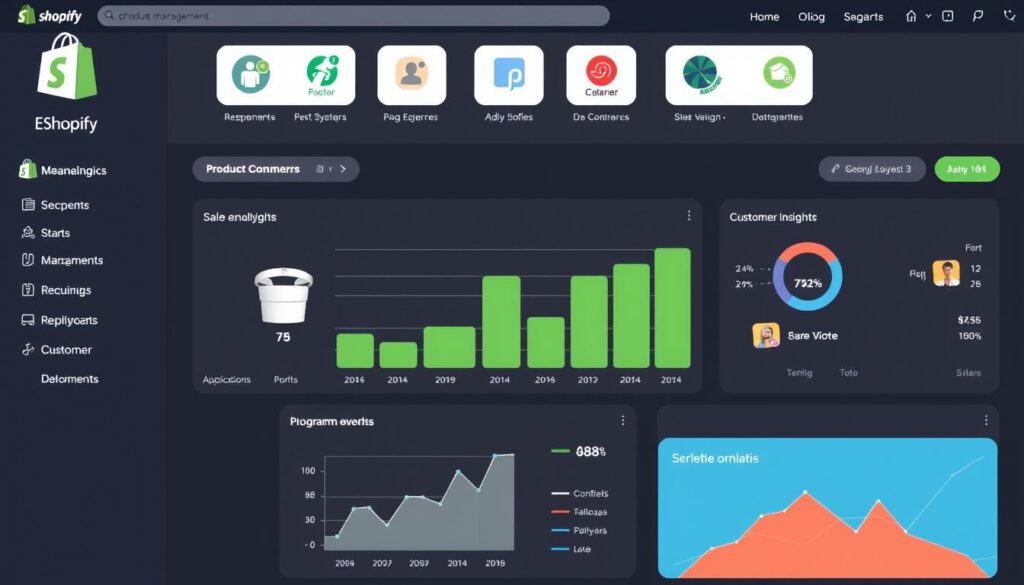
Shopify stands out as a premier e-commerce platform that integrates hosting capabilities seamlessly. This all-in-one solution simplifies the technical aspects of running an online store, eliminating the need to manage separate hosting and e-commerce platform relationships.
Overview
Shopify is our Editors’ Choice winner for Best Web Host for E-commerce, thanks to its comprehensive tools for managing inventory, calculating sales tax, and shipping products. Its exceptional server performance, excellent security protocols, and unique e-commerce tools make it an ideal choice.
Pros
Shopify impressed with its 100% uptime and industry-leading page load speeds, directly contributing to higher conversion rates. The platform offers a comprehensive e-commerce toolset, including inventory management, abandoned cart recovery, and shipping label creation features. Additionally, Shopify’s robust security measures, such as SSL certification, firewall protection, and 24/7 security monitoring, exceed industry standards.
Cons
While Shopify offers numerous benefits, it has a higher starting price point and transaction fees for using external payment gateways. The website builder also has a higher learning curve compared to some other platforms.
Features and Pricing
Shopify offers plans for businesses of all sizes, starting with the Basic plan at $29 a month, which includes unlimited storage, unlimited bandwidth, and full access to the e-commerce store builder. The Shopify plan costs $79 a month, adding features like five additional staff members and shipping discounts of up to 88%. The Advanced plan, priced at $299 per month, offers 15 additional staff accounts and 10 physical checkouts for online stores launching physical shops.
Hostinger: Best Value Web Hosting for E-commerce

In the realm of e-commerce hosting, Hostinger distinguishes itself by providing exceptional value through its comprehensive and affordable plans. Hostinger offers a dual approach to e-commerce hosting, catering to different business needs through its website builder with e-commerce capabilities and managed WooCommerce hosting.
Overview
Hostinger is a rapidly growing web hosting company that has earned the 2025 Editor’s Choice award for Best Value Web Hosting. Its e-commerce hosting solutions are designed to be both affordable and feature-rich, making it an attractive option for businesses of various sizes.
The company provides two main types of e-commerce hosting: a website builder with a specialized e-commerce plan and managed WooCommerce hosting. Both options are designed to be fast, reliable, and secure, ensuring a solid foundation for online stores.
Pros
Hostinger’s e-commerce hosting stands out for several reasons. Its AI-powered site generation process allows businesses to quickly establish an online presence. The website builder offers 150 templates and includes features like SEO tools, marketing integrations, and inventory management for up to 600 products.
For WooCommerce users, Hostinger offers one-click setup, LiteSpeed caching, and automated daily backups, ensuring both ease of use and high performance.
Cons
One of the few drawbacks of Hostinger’s service is its reliance on AI chatbots for customer support. While the chatbot is well-trained, reaching a human representative can be challenging, with wait times exceeding half an hour.
Features and Pricing
Hostinger’s e-commerce hosting plans are competitively priced, starting at just $4/month, with renewal rates beginning at $11 per month. The plans include a free domain for one year, ample storage, SSL certification, and robust security features like DDoS protection.
The managed WooCommerce plans offer advanced features such as built-in WooCommerce integrations and AI content generation tools, making it easier to manage and grow an online store.
A2 Hosting (Hosting.com): Best WooCommerce Hosting for Beginners
If you’re just starting out with WooCommerce, Hosting.com offers a robust and beginner-friendly hosting solution. This platform is particularly beneficial for those who are new to e-commerce and need a straightforward setup process.
Overview
Hosting.com, formerly known as A2 Hosting, has rebranded while maintaining its commitment to providing high-quality hosting services. It offers several WordPress hosting plans that are conducive to WooCommerce installations. The setup process is streamlined, with optimized WordPress installation and automatic configuration of essential pages and plugins.
Pros
Impressive Server Performance: Hosting.com’s server performance is optimized with top-of-the-line hardware and LiteSpeed enhancement, ensuring fast page loading times crucial for e-commerce conversion rates. Additionally, the platform boasts 100% uptime during testing.
Beginner-Friendly Features: One-click WordPress installation, an intuitive control panel, and a comprehensive knowledge base make it easy for beginners to manage their WooCommerce stores.
Cons
While Hosting.com offers many benefits, there are some drawbacks to consider. The price increases significantly after the promotional period, and fully managed WordPress plans come at an additional cost.
Features and Pricing
Hosting.com offers various plans starting at $3 a month for the lowest-tier WordPress hosting, which includes enough storage for at least 150 pages and unlimited bandwidth. The most expensive plan costs $7 per month in the first year and $18 per month after, with storage for at least 1,000 pages. While there are no specialized WooCommerce plans, you can install WooCommerce on any WordPress setup for free.
IONOS: Best Variety of E-commerce Hosting Options
With its multi-platform approach, IONOS caters to various business needs and technical preferences. IONOS offers a diverse range of e-commerce hosting solutions, making it an attractive option for businesses.
Overview
IONOS provides several options for e-commerce hosting, including WordPress, a proprietary website builder, and hosting for PrestaShop. This variety allows businesses to choose the platform that best suits their needs.
Pros
The biggest benefits of IONOS include its variety of plans, AI-powered site setup tools, and excellent customer service. IONOS also offers an above-average 99.99% uptime guarantee.
Cons
One potential drawback is IONOS’s complicated pricing structure, with significant price increases after promotional periods. Businesses should carefully review the pricing plans to avoid unexpected costs.
Features and Pricing
IONOS’s e-commerce hosting plans include features such as customizable checkout processes, upsell capabilities, and multiple payment processor integrations. The pricing plans vary, with the Plus plan starting at $1 a month for a one-year term and the Starter plan starting at $6 a month for one year. However, prices rise significantly after the promotional period, so businesses should consider the long-term costs.
IONOS’s WooCommerce hosting plan includes preinstalled WordPress and WooCommerce, plus an AI-powered setup wizard. This plan also includes a caching plugin, Jetpack backup, automated WordPress updates, unlimited product creation, and email hosting for 10 accounts.
Bluehost: Best for WordPress and WooCommerce Integration

Bluehost’s official recommendation by WordPress.org makes it a natural choice for WordPress-based e-commerce sites, with optimized configurations and specialized support. This integration simplifies the process of setting up and managing an online store.
Key Benefits
Bluehost offers several benefits for e-commerce businesses, particularly those using WordPress or WooCommerce. Its one-click installation process for WordPress and WooCommerce simplifies store setup, even for users with limited technical experience.
The hosting provider includes features such as unlimited product listings and built-in payment processing, making it a comprehensive solution for e-commerce needs.
Scalability and Performance
Bluehost offers scalable hosting plans, ranging from affordable shared hosting for new stores to VPS and dedicated server options for growing businesses with increasing traffic. This scalability ensures that your hosting can adapt to your business’s growth.
Potential Limitations
While Bluehost offers a robust hosting solution, it’s essential to consider potential limitations. The price increase after promotional periods and the reservation of certain features for premium plans only are factors to be aware of when choosing a plan.
Features and Pricing
Bluehost’s WooCommerce-specific hosting plans vary in features and pricing. Understanding these differences is crucial to selecting the best plan for your business. The plans include features like 100 GB NVMe Storage and free domain for one year. Certain premium features, such as domain name privacy and unmetered bandwidth, are reserved for higher-tier plans.
GoDaddy: Best for Small to Medium E-commerce Businesses

As one of the largest hosting providers, GoDaddy offers a robust hosting solution tailored to the needs of small to medium e-commerce businesses. With a range of plans and features, GoDaddy helps businesses establish a strong online presence and grow their customer base.
Overview
GoDaddy is a well-established player in the hosting space, particularly among WordPress users. The company offers three different hosting packages designed to meet the varying needs of e-commerce businesses, from basic to advanced requirements.
Pros
GoDaddy’s e-commerce hosting solutions come with several key benefits, including 24/7 network security, access to 150 free apps, and global data centers for fast loading times. Additionally, GoDaddy offers a free one-click WordPress installation, making it easy to set up and manage your online store.
Cons
One potential drawback of GoDaddy’s hosting services is that growing e-commerce businesses may need to upgrade their plans frequently to keep up with increasing traffic and demands. This can result in additional costs for premium features and higher-tier plans.
Features and Pricing
GoDaddy’s hosting plans are tiered, allowing businesses to start with basic features and upgrade as needed. The company’s e-commerce hosting solutions include a website builder with an integrated shopping cart, marketing tools, and SEO guidance. Pricing varies depending on the chosen plan, with more advanced features and priority support available in higher-tier plans.
HostGator, DreamHost, and InMotion: Alternative E-commerce Hosting Options
Beyond the top recommendations, HostGator, DreamHost, and InMotion Hosting offer robust e-commerce hosting solutions worth considering. These providers cater to different business needs, offering a range of features and plans.
HostGator

HostGator is a popular choice for e-commerce hosting, with over two million websites using its services. Its e-commerce plans include 50 GB SSD storage, a free domain for the first year, and 24/7 support. HostGator’s plans are designed to accommodate businesses of various sizes.
Key features include daily automatic backups and unlimited products. However, be aware that introductory deals are often much lower than the full price, and renewal fees can be costly.
DreamHost
DreamHost is known for its 100% uptime guarantee, making it an attractive option for businesses where consistent availability is critical. Its e-commerce plans include the WooCommerce plug-in, unlimited email accounts, and free WordPress migrations.
DreamHost’s plans offer strong security features and domain-management tools, ensuring a reliable hosting experience.
InMotion Hosting
InMotion Hosting is a versatile option for e-commerce businesses, offering plans optimized for various platforms like PrestaShop, Magento, and OpenCart. Its features include a free SSL certificate and advanced caching technologies to enhance store performance.
InMotion’s 24/7 support is available to help with any hosting-related queries, making it a reliable choice for businesses.
When choosing between HostGator, DreamHost, and InMotion, consider your business needs and budget. Each provider offers unique features and pricing structures, so it’s essential to compare their plans and renewal rates to determine the best value for your e-commerce business.
How to Choose the Right E-commerce Hosting Provider for Your Business
Choosing an e-commerce hosting provider that meets your business needs is a critical decision. With numerous options available, it’s essential to assess your requirements carefully.
Assessing Your Business Needs and Budget
To select the right e-commerce hosting provider, you need to assess your business needs, including expected traffic volume, product catalog size, technical expertise, and growth projections. Create a realistic hosting budget that accounts for both initial costs and long-term expenses, including renewal rates and potential add-on fees.
Balancing Performance, Features, and Cost
When evaluating e-commerce hosting providers, it’s crucial to strike a balance between performance features, such as uptime guarantees and page load speeds, and cost considerations. Prioritize features that directly impact your bottom line, including security measures, mobile optimization, and payment processing capabilities.
Planning for Growth and Scalability
To ensure future growth, select a hosting provider with clear upgrade paths and scalability options. This will prevent the need to migrate your store later, saving time and resources. Consider providers that offer unlimited bandwidth to handle increased traffic.
Here’s a comparison table of key features to consider when choosing an e-commerce hosting provider:
| Feature | Importance | Typical Cost |
|---|---|---|
| Uptime Guarantee | High | Included |
| Page Load Speed | High | Included |
| Security Measures | High | $10-$50/month |
| Bandwidth | Medium | $5-$20/month |
| Customer Support | Medium | Included |
Conclusion
The hosting provider you select plays a significant role in your online store’s accessibility and performance. As you’ve seen throughout this article, choosing the right e-commerce hosting platform is crucial for your business’s success.
We’ve explored the importance of hosting in e-commerce, highlighting how it impacts your online store’s uptime, speed, security, and overall customer experience. Our top hosting recommendations cater to various business needs, from Shopify and WooCommerce to Magento, ensuring you find the perfect fit for your e-commerce business.
When selecting a hosting provider, consider factors such as reliability, security features, scalability, and customer support. While cost is an important consideration, investing in quality hosting often pays off through improved performance and customer satisfaction. Take advantage of 30-day money-back guarantees and free trials to test potential hosting platforms before committing.
Ultimately, the right e-commerce hosting platform will support your business growth and success in the competitive online landscape. By carefully evaluating your options and choosing a hosting provider that meets your specific needs, you’ll be well on your way to creating a seamless online shopping experience for your customers.
Take your time to investigate the recommended e-commerce hosting platforms and don’t hesitate to leverage the resources available to make an informed decision. Your online store’s success depends on it.