

Table of Contents
Are you looking for a cost-effective way to host your website? Free web hosting services can be an attractive option, but they often come with limitations.
In the US, several reliable free hosting options are available, each with their strengths and weaknesses. This guide will examine the top 10 free web hosting options, analyzing their advantages and disadvantages.
You’ll learn about the key limitations of free hosting services and when they might be suitable for your website needs. By understanding the features and reliability of these services, you can make an informed decision about which one best aligns with your website goals.
Key Takeaways
- Understand the limitations and advantages of free web hosting services.
- Learn about the top 10 free web hosting options available in the US.
- Discover the key features and reliability of each hosting service.
- Make an informed decision about which service best suits your website needs.
- Explore the trade-offs between free and paid hosting services.
Understanding Free Web Hosting
For many, free web hosting is an attractive option, but it’s essential to grasp the underlying mechanics and constraints of such services. Free web hosting allows users to host their websites without paying a hosting fee, making it an appealing choice for personal projects, small businesses, or testing grounds for new ideas.
What Is Free Web Hosting?
Free web hosting is a service provided by various companies that allows users to host their websites on their servers without charging a fee. This service is typically supported by advertisements displayed on the hosted websites. Free web hosting services are ideal for low-traffic sites, personal blogs, or hobby websites where the resource demands are minimal.
Limitations of Free Web Hosting Services
While free web hosting can be a great starting point, it comes with significant limitations. These include restricted storage space, often less than 1GB, and limited bandwidth, which can lead to your site becoming inaccessible if you exceed the allocated bandwidth. Other limitations include:
- Forced advertisements that can affect your site’s professional appearance.
- Lack of customer support, leaving you to troubleshoot issues on your own.
- Potential security vulnerabilities due to minimal security features.
- Limited or no email accounts and minimal database options.
- Frequent downtime, affecting your site’s reliability and user experience.
Understanding these limitations is crucial for deciding whether free web hosting is the right choice for your website.
When Should You Consider Free Web Hosting?
Free web hosting can be a viable option for certain types of websites, but it’s essential to know when to use it. Understanding the ideal scenarios for free hosting and when to avoid it can help you make an informed decision about your web hosting needs.
Ideal Use Cases for Free Hosting
Free hosting is suitable for websites with minimal requirements, such as personal blogs, hobby sites, or small projects that don’t expect high traffic. These types of sites can benefit from the cost savings of free hosting while still achieving their online goals.
Key benefits of free hosting for these sites include:
| Benefit | Description |
|---|---|
| Cost Savings | No monthly or annual fees for hosting services. |
| Ease of Use | Simple setup process with user-friendly control panels. |
| Basic Features | Adequate storage and bandwidth for low-traffic sites. |
When to Avoid Free Hosting
While free hosting has its uses, there are several scenarios where it’s not the best choice. You should avoid free hosting for business websites where professional appearance and reliability directly impact your brand reputation and potential revenue.
Other scenarios to avoid free hosting include:
- E-commerce sites that require secure payment processing and consistent uptime.
- Websites handling sensitive user data that need robust security measures.
- High-traffic websites that will quickly exceed the bandwidth and resource limitations of free hosting.
- Mission-critical applications or websites that serve as essential business tools.
Key Features to Look for in Free Web Hosting
When exploring free web hosting options, it’s crucial to understand the key features that can make or break your website’s performance. Free web hosting services can vary significantly in what they offer, and knowing what to look for can help you make an informed decision.
Storage and Bandwidth Limitations
One of the primary considerations when selecting a free web hosting service is understanding the storage and bandwidth limitations. Most free hosting providers offer limited storage and bandwidth, which can impact your website’s performance and accessibility. For instance, some providers may offer up to 1 GB of storage, while others may provide more generous allocations. It’s essential to assess your needs and choose a provider that meets those needs.
Domain and Subdomain Options
Another critical feature is the option to use a custom domain or subdomain. While some free hosting services allow you to use a custom domain, others may only offer subdomains. For example, a provider might give you a subdomain like yourwebsite.providername.com. If having a custom domain (e.g., yourwebsite.com) is important for your brand identity, you’ll need to check if the provider supports this feature, possibly with limitations or additional requirements.

Control Panel and Ease of Use
The control panel is the interface through which you’ll manage your website. A user-friendly control panel can make a significant difference in your experience. Popular control panels include cPanel and Plesk. When evaluating free web hosting services, consider how intuitive the control panel is and whether it offers the features you need to manage your site effectively.
Security Features
Security is a vital aspect of any web hosting service. While free hosting plans often have minimal security features, some providers offer essential protections like free SSL certificates. For example, GoogieHost offers free SSL certificates to secure the connection between your website and its visitors. However, advanced security measures such as malware scanning, firewalls, and regular backups are typically lacking in free plans. You should investigate the security features of any free hosting service you consider.
| Feature | Description | Importance Level |
|---|---|---|
| Storage | Limited storage capacity for your website files. | High |
| Bandwidth | Data transfer limit that affects your site’s accessibility. | High |
| Custom Domain | Ability to use a custom domain name instead of a subdomain. | Medium |
| Control Panel | User interface for managing your website. | High |
| Security Features | Protections such as SSL certificates and backups. | High |
By carefully evaluating these key features, you can select a free web hosting service that meets your needs and supports your online presence.
Risks Associated with Free Web Hosting
Free web hosting, while convenient, poses several risks that users should be aware of to make informed decisions. Understanding these risks is crucial to managing your online presence effectively.
Security Vulnerabilities
Free web hosting services often lack robust security measures, making your website more vulnerable to hacking and malware. Without proper security, your site can be compromised, leading to data loss or defacement.
Reliability and Downtime Issues
Free hosting providers may not offer reliable services, resulting in frequent downtime. This can affect your website’s accessibility and credibility, potentially driving away visitors.
Advertising and Branding Limitations
Many free web hosting services display ads on your website, which can detract from your brand’s professionalism. Moreover, you may have limited control over the content and appearance of these ads.
Sudden Service Termination
Free hosting services can terminate accounts or cease operations without notice, leaving you without a website and potentially without access to your data. It’s essential to regularly back up your site to mitigate this risk.
| Risk | Description | Impact |
|---|---|---|
| Security Vulnerabilities | Lack of robust security measures | Data loss or website defacement |
| Reliability and Downtime | Frequent service interruptions | Loss of credibility and visitors |
| Advertising and Branding | Display of unwanted ads | Detracts from brand professionalism |
| Sudden Service Termination | Unexpected account termination or service cessation | Loss of website and data |
Top 10 Free Web Hosting Options in the US (Pros & Cons)
With so many free web hosting options available in the US, it’s vital to assess the top providers based on their features, support, and limitations. To make an informed decision, you need to understand how these services were evaluated and what criteria were used for comparison.
How We Evaluated These Services
Our evaluation framework assessed each hosting provider across multiple standardized criteria, enabling a direct comparison between services. This thorough assessment included examining technical specifications such as storage allocations, bandwidth limitations, and supported technologies.
Key aspects of our evaluation included: assessing the quality and availability of customer support, evaluating domain flexibility, and documenting additional features like one-click installers and website builders.
Comparison Criteria
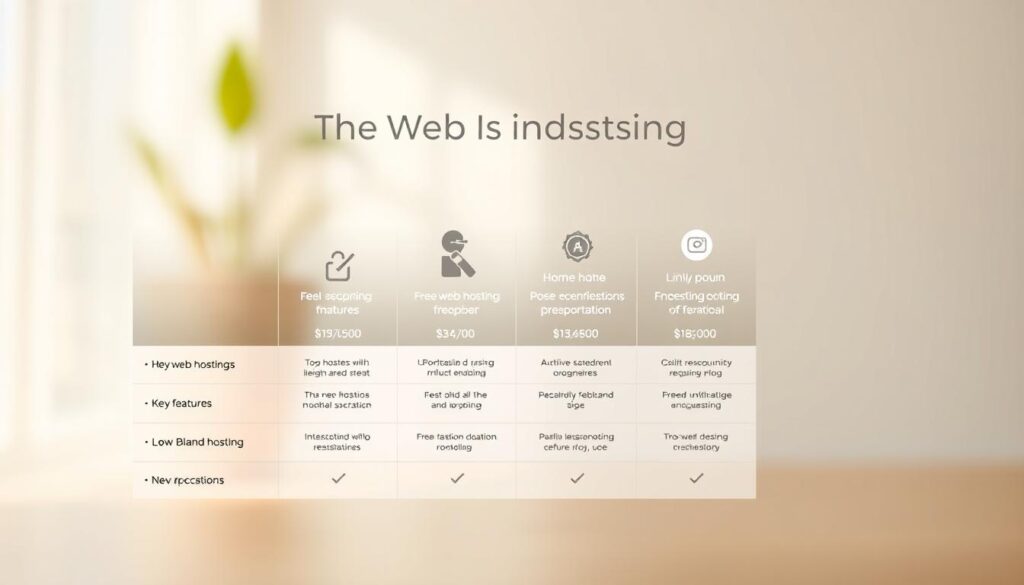
The comparison criteria for free web hosting services typically include disk space/storage capacity, monthly bandwidth allowance, number of websites allowed, domain options, email accounts, database support, control panel type, one-click installers, SSL certificate availability, and customer support options.
By considering these factors, you can make a more informed decision about which free web hosting service best suits your needs, whether you’re creating a personal blog, a small business website, or a portfolio.
InfinityFree: Best Overall Free Web Hosting
Overview
InfinityFree stands out as a top choice for free web hosting, offering a robust set of features that cater to various website needs. With its generous hosting plan, InfinityFree provides 5GB of SSD storage space, which is sufficient for small to medium-sized websites. The platform is designed to be user-friendly, making it accessible to users with varying levels of technical expertise.
Pros
InfinityFree offers several advantages, including unlimited bandwidth, which allows websites to handle varying traffic levels without incurring additional charges. The service also supports unlimited subdomains, providing flexibility for managing multiple projects. Furthermore, InfinityFree includes free SSL certificates through Let’s Encrypt, ensuring secure HTTPS connections.
Cons
While InfinityFree offers a robust free hosting plan, there are some limitations to consider. For instance, the service is supported by ads, although they are not overly intrusive. Additionally, the 5GB storage limit may be restrictive for larger websites or those with extensive media requirements.
Key Features
InfinityFree’s feature set includes a one-click installer that supports over 400 applications, making it easy to deploy various web applications. The platform also boasts a user-friendly control panel, which simplifies website management. With its ad-free hosting experience in terms of not having ads on your site, InfinityFree enhances the overall user experience.
In conclusion, InfinityFree is an excellent choice for those seeking a reliable free web hosting service with a comprehensive set of features. Its generous storage, unlimited bandwidth, and support for multiple subdomains make it an attractive option for a wide range of users.
GoogieHost: Best for Features
With its robust set of features, GoogieHost stands out as a top free web hosting option. GoogieHost offers a comprehensive suite of tools that cater to various web hosting needs, making it an ideal choice for individuals and small businesses.
Overview
GoogieHost provides 1,000MB of NVMe SSD storage, which is a significant boost for website loading speeds due to its faster performance compared to traditional storage solutions. Additionally, it allocates 100GB of monthly bandwidth, sufficient for small to medium websites with moderate traffic.
The service also includes 2 email accounts and 2 FTP accounts, allowing for professional email addresses and secure file transfers. Furthermore, GoogieHost supports 1 MySQL database, enabling the creation of dynamic websites and applications.
Pros
The pros of using GoogieHost include its custom control panel based on cPanel, which simplifies website management, and free SSL certificates for enhanced security. Additionally, GoogieHost offers 24/7 customer support, ensuring assistance is always available.
Other benefits include a website builder tool that makes creating a website straightforward, even for those without coding knowledge.
Cons
While GoogieHost offers many features, it has some limitations, such as the limited storage and bandwidth. Users should be aware that exceeding these limits may require upgrading to a paid plan.
Another potential drawback is the presence of ads on free hosting plans, which might be seen as a disadvantage by some users.
Key Features
Some of the key features of GoogieHost include:
- 1,000MB of NVMe SSD storage for faster performance.
- 100GB of monthly bandwidth for moderate traffic.
- 2 email accounts for professional email addresses.
- 2 FTP accounts for secure file transfers.
- 1 MySQL database for dynamic websites and applications.
- A website builder tool for easy website creation.
- A custom control panel based on cPanel for simplified management.
- Free SSL certificates for enhanced security.
- 24/7 customer support for assistance.
Freehostia: Best for Customer Support

For users who value responsive customer support, Freehostia is an ideal free web hosting option. It offers a comprehensive range of features despite being a free service.
Overview
Freehostia provides 250MB of disk space, which is sufficient for small text-based websites. Although it’s limited for media-rich content, it’s a good starting point for new websites or blogs.
The service includes 3 email accounts with 12 email aliases, allowing you to create professional email addresses using your domain name, enhancing your website’s credibility.
Pros
One of the standout features of Freehostia is its 24/7 customer support, available even for free accounts. Support tickets typically receive responses within an hour, ensuring that any issues are addressed promptly.
Additionally, Freehostia offers a one-click application installer with WordPress pre-installed, making it easy to deploy popular web applications.
Cons
While Freehostia offers a robust set of features, it does come with some limitations. The 6GB of monthly bandwidth may be restrictive for growing sites or those with high traffic.
Moreover, the 250MB disk space may not be sufficient for websites with large media libraries.
Key Features
Freehostia’s key features include 1 FTP account and 1 MySQL database, providing the necessary tools for building and managing a dynamic website.
The combination of these features, along with its customer support, makes Freehostia a compelling choice for those seeking a reliable free web hosting service.
FreeHosting.com: Best for Storage Space

Overview
With its impressive 10GB of disk space, FreeHosting.com is an attractive option for users needing generous storage for their websites. This service is particularly beneficial for sites with extensive media libraries or downloadable content.
Pros
The pros of using FreeHosting.com include its substantial 10GB disk space, support for custom domains, and an ad-free experience. You’ll also have access to one email account and one MySQL database, enhancing your website’s functionality.
Cons
While FreeHosting.com offers significant benefits, it does come with some limitations, such as having only one FTP account and one email account. Additionally, the service is geared towards basic websites, so complex applications might be constrained.
Key Features
FreeHosting.com provides a range of key features that make it an appealing choice. These include 10GB of disk space, one email account, one FTP account, and one MySQL database. The service also supports custom domain integration and features a user-friendly, ad-free control panel that simplifies website management.
Google App Engine: Best for Web Applications

With its robust free tier, Google App Engine stands out as a top choice for hosting web applications. It offers a comprehensive set of features that cater to the needs of developers looking to deploy scalable and reliable applications.
Overview
Google App Engine’s free tier is designed to support the development and deployment of web applications with ease. It includes 5 services per app, 15 versions per app, 20 instances, 5GB of storage, and 20,000 Class A operations per day. This tier supports multiple programming languages and integrates seamlessly with other Google Cloud services, making it a versatile choice for developers.
Pros
The advantages of using Google App Engine’s free tier include its ability to support complex application architectures and moderate usage patterns. You’ll benefit from automatic scaling within the free tier limits, ensuring that your application adjusts resources based on current demand. Additionally, the integration with other Google Cloud services provides access to a wide range of functionalities.
Cons
While Google App Engine’s free tier is robust, there are limitations to consider. The 5GB of storage and 20,000 Class A operations per day might be restrictive for applications with high traffic or large data storage needs. Moreover, the complexity of the platform might require a learning curve for some developers.
Key Features
Some of the key features of Google App Engine’s free tier include:
- 5GB of storage space, suitable for small to medium applications and their associated data.
- Support for up to 5 services per application and 15 versions per application, facilitating complex application architectures and development workflows.
- 20,000 free Class A operations per day, adequate for applications with moderate usage patterns.
- Automatic scaling within free tier limits, adjusting resources based on your application’s current demand.
- Seamless integration with other Google Cloud services, providing access to additional functionalities like databases, authentication, and machine learning capabilities.
AWS Free Tier: Best for Scalability
For those seeking a scalable web hosting solution, AWS Free Tier is a compelling option. It offers a robust set of services that can grow with your website or application.
Overview
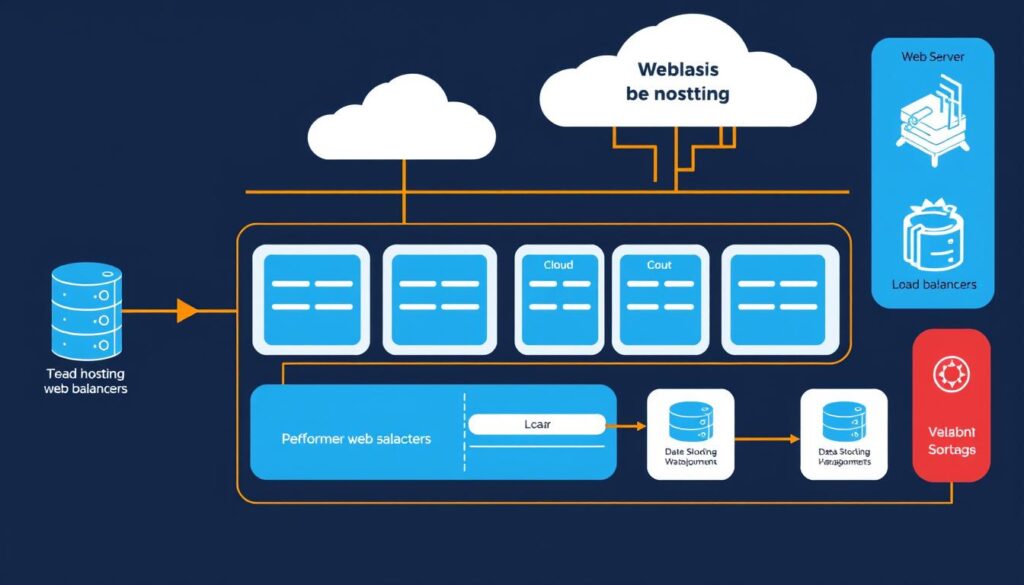
AWS Free Tier provides a comprehensive suite of cloud services, including computing power, storage, and database management, all designed to support scalable web hosting. With 750 hours per month of EC2 computing time, you can run a small virtual server continuously, making it ideal for development and testing environments.
Pros
The benefits of using AWS Free Tier include its ability to scale according to your needs. You get 5GB of S3 storage for hosting static assets and backups, and 25GB of DynamoDB storage for NoSQL database requirements. Additionally, AWS Free Tier includes 1 million Lambda function requests per month, enabling serverless architectures without upfront costs.
Cons
While AWS Free Tier is powerful, it’s essential to monitor your usage to avoid unexpected charges when you exceed the free tier limits. The complexity of AWS services can also be a barrier for beginners, requiring a learning curve to fully leverage its capabilities.
Key Features
AWS Free Tier’s key features include:
- 750 monthly hours of EC2 computing time, sufficient for running one small virtual server.
- 5GB of S3 storage for static assets, backups, or file storage.
- 25GB of DynamoDB storage for NoSQL database needs.
- 1 million Lambda function requests per month for serverless applications.
- Limited access to advanced services like AI and machine learning.
These features make AWS Free Tier an excellent choice for developers and businesses looking for a scalable web hosting solution that can adapt to their growing needs.
Google Cloud Platform: Best for Integration

Google Cloud Platform stands out for its exceptional integration capabilities, making it a top choice for developers. It offers a comprehensive suite of services that integrate seamlessly with other Google services and beyond.
Overview
Google Cloud Platform provides a $300 free credit for the first 90 days, allowing you to explore its premium services without a financial commitment. Additionally, it offers always-free tier access to over 20 products, ensuring that certain resources remain available even after the initial credit expires.
Pros
The platform’s multiple compute options, including Compute Engine virtual machines and Cloud Functions serverless computing, offer flexibility and scalability. You’ll also benefit from advanced capabilities like AI and machine learning services, enabling the development of intelligent applications with minimal infrastructure management.
Cons
While Google Cloud Platform offers a robust free tier, its complexity can be daunting for beginners. Moreover, the free credits are limited to 90 days, after which you’ll need to upgrade to a paid plan if you exceed the always-free tier limits.
Key Features
Google Cloud Platform’s key features include various storage solutions like Cloud Storage for objects and Cloud SQL for relational databases, supporting different data management needs. Its integration with other Google services like Google Drive and Google Docs enhances productivity and collaboration.
With its robust integration capabilities and comprehensive suite of services, Google Cloud Platform is an ideal choice for businesses and developers seeking a powerful cloud computing solution.
Netlify: Best for Static Sites

Overview
Netlify’s free hosting service is particularly appealing for static sites, providing a seamless integration with Git repositories and automated deployments. With Netlify, you can enjoy continuous deployment from GitHub, GitLab, or Bitbucket, automatically building and deploying your site whenever you push changes. This streamlined process makes it ideal for developers looking for efficient workflows.
Pros
The advantages of using Netlify include unlimited static site hosting on its free plan, a global CDN for fast content delivery, and free SSL certificates through Let’s Encrypt. These features ensure that your static sites are not only secure but also load quickly for visitors worldwide.
Cons
While Netlify offers a robust set of features, some users might find limitations in its serverless functions for complex backend operations. Additionally, the free plan comes with certain restrictions, such as limited build minutes and bandwidth.
Key Features
Netlify’s key features include branch deployments, split testing, and form handling, making it a versatile platform for hosting static sites. Its integration with Git repositories simplifies the development process, allowing you to focus on creating content rather than managing deployments.
GitHub Pages: Best for Developers

For developers seeking a reliable and free hosting solution, GitHub Pages stands out as an exceptional choice. It seamlessly integrates with GitHub repositories, making it an ideal platform for hosting static websites and documentation.
Overview
GitHub Pages is a free hosting service offered by GitHub that allows you to host static websites directly from your repositories. It’s designed to simplify the process of publishing content, making it accessible to a wide audience.
Key benefits include direct publishing from repositories, unlimited storage for static content within repository limits, and free SSL certificates for secure connections.
Pros
One of the significant advantages of GitHub Pages is its tight integration with GitHub, allowing for streamlined version control and collaboration. The service also supports custom domains, enhancing your website’s professional appearance.
Additionally, GitHub Pages includes built-in Jekyll support, making it easy to manage and generate static sites.
Cons
While GitHub Pages is highly beneficial for developers, it does have some limitations. For instance, it’s primarily designed for static sites, which means it may not be suitable for complex web applications requiring dynamic content.
Moreover, the service is subject to GitHub’s terms of service and repository size limits.
Key Features
GitHub Pages offers a range of features that make it attractive to developers. These include:
- Direct publishing from GitHub repositories
- Unlimited space for static content within repository size limits
- Free SSL certificates for secure HTTPS connections
- Jekyll integration for static site generation
- Support for custom domains
These features collectively make GitHub Pages a powerful tool for developers looking to host their projects efficiently.
Services to Avoid: Wix Free Hosting
When considering free web hosting options, it’s crucial to distinguish between actual hosting services and website builders. Wix Free Hosting is often mistaken for a true hosting service, but it falls short in providing the flexibility and control that genuine hosting providers offer.
Why Wix Free Hosting Isn’t True Hosting
Wix is primarily a website builder, not a web hosting service. While it allows you to create a website for free, the limitations are significant. You are restricted to using Wix’s proprietary platform, which doesn’t allow you to export your site or transfer it to another hosting provider easily. This lack of control over your website files and data is a major drawback.
Better Alternatives
If you’re looking for true free hosting services, consider alternatives like InfinityFree, GoogieHost, or Freehostia. These providers offer genuine hosting services, granting you ownership and control over your website files. You can install content management systems like WordPress, Joomla, or custom HTML sites, and you’ll have the freedom to export your site and migrate to different hosting providers as needed.
For those who prefer a website builder approach, WordPress.com’s free tier is a better alternative to Wix. It offers more export capabilities and flexibility, allowing you to take control of your website’s future.
Understanding the fundamental difference between restricted website builders and actual hosting services will help you make informed choices that align with your long-term website goals.
When to Upgrade to Paid Hosting
As your website grows, you may find that free hosting is no longer sufficient. The limitations of free hosting can become apparent as your site attracts more traffic and requires more resources.
Signs Your Website Has Outgrown Free Hosting
If you’re experiencing frequent downtime, slow loading speeds, or limited storage capacity, it may be time to consider upgrading to paid hosting. Other signs include:
- Increased traffic that your current hosting plan can’t handle
- Need for more advanced features like e-commerce integration or enhanced security
- Limited customer support from your free hosting provider
- Ads or branding from your free hosting service that you can’t remove
Affordable Paid Alternatives
Fortunately, there are many affordable paid hosting alternatives available. Providers like Hostinger, DreamHost, and IONOS offer budget-friendly plans starting under $3 per month. These services typically include:
- Free domain registration for the first year
- Pre-installed WordPress and other popular web applications
- Daily automated backups and enhanced security measures
- Guaranteed uptime and improved performance
- Excellent customer support through live chat, email, and sometimes phone support
Upgrading to paid hosting can significantly improve your website’s performance, security, and overall user experience. With affordable plans available, there’s never been a better time to make the switch.
Conclusion
After examining the top 10 free web hosting services in the US, it’s evident that each has its strengths and weaknesses, catering to different needs and preferences. Free web hosting services provide valuable entry points for individuals and small organizations looking to establish an online presence without financial investment.
InfinityFree stands out as the best overall free hosting option, offering a balanced combination of generous resources, reliability, and user-friendly features without forced advertising. Other specialized free hosting options cater to different needs: GoogieHost excels in feature variety, Freehostia offers superior customer support, and FreeHosting.com provides exceptional storage capacity.
For developers and technical users, platforms like GitHub Pages, Netlify, and Google App Engine offer powerful free tiers tailored to specific development approaches. While free hosting has clear limitations in performance, security, and scalability, it serves as an excellent starting point for personal projects, learning environments, and concept validation before transitioning to paid hosting as your needs evolve.
As you consider your web hosting options, it’s essential to weigh the benefits and limitations of free web hosting services. By choosing the right free web hosting service, you can establish a solid online presence and set the stage for future growth.