

Table of Contents
As cyber threats continue to evolve, having a secure website is no longer a luxury, it’s a necessity. According to the 2024 Data Breach Investigations Report, web-app-centric threats remain among the top breach patterns, with 77% involving stolen credentials. This makes it crucial to choose a hosting provider that offers robust security features.
The right hosting services can significantly impact your website’s security posture through features like SSL certificates, firewall protection, malware scanning, and automated backups. A secure hosting environment not only protects your site from various cyber threats but also supports better discoverability and engagement by delivering a good page experience.
Key Takeaways
- Top hosting providers offer advanced security features to protect your website.
- Robust security measures include SSL certificates, firewall protection, and malware scanning.
- Choosing the right hosting provider is critical for your website’s security posture.
- A secure hosting environment enhances your website’s discoverability and engagement.
- Supplementing your hosting provider’s security with additional measures creates a comprehensive defense strategy.
Why Website Security Matters for Your Online Presence
As cyber threats continue to evolve, the importance of website security cannot be overstated. Your website is often the first point of contact between your business and potential customers, making its security crucial for maintaining trust and credibility.
The Growing Threat Landscape for Websites
The cybersecurity threat landscape is becoming increasingly complex, with websites being prime targets for hackers. Attacks are becoming more sophisticated and frequent each year, exploiting vulnerabilities such as brute force attacks, SQL injections, cross-site scripting (XSS), and distributed denial of service (DDoS) attacks. These threats can compromise your website’s security, leading to data breaches and other malicious activities.
Common website vulnerabilities include:
- Brute force attacks that guess passwords
- SQL injections that manipulate database queries
- Cross-site scripting (XSS) that injects malicious scripts
- Distributed denial of service (DDoS) attacks that overwhelm your site
How Security Breaches Impact Your Business and Reputation
A security breach can have severe financial implications for your business, including direct costs such as ransom payments, legal fees, and technical recovery expenses. Indirect costs, such as customer compensation and reputation management, can also be significant. Research indicates that 65% of consumers lose trust in a company after a data breach, and 85% won’t do business with a company if they have concerns about its security practices.
The impact on business continuity is also substantial, as downtime from security incidents can cost businesses thousands of dollars per minute. Ensuring robust web hosting security measures is essential for protecting your website and maintaining business continuity.
By understanding the growing threat landscape and the potential impact of security breaches, you can take proactive steps to enhance your website’s security and protect your online presence.
Essential Security Features to Look for in a Hosting Provider
When selecting a hosting provider, it’s crucial to consider the security features they offer to protect your website from various cyber threats. A reliable hosting provider should offer a comprehensive set of security tools to safeguard your online presence.
SSL Certificates and HTTPS Implementation
An SSL certificate is essential for encrypting data transmitted between your website and its users. It ensures that sensitive information remains unreadable to unauthorized parties. Look for a hosting provider that offers free SSL certificates with easy implementation to enhance both security and SEO.
Firewall Protection and DDoS Mitigation
A robust firewall acts as your first line of defense against malicious traffic, while DDoS mitigation helps protect your server from being overwhelmed by volumetric attacks. Together, they ensure your website remains accessible and secure.
Malware Scanning and Removal Tools
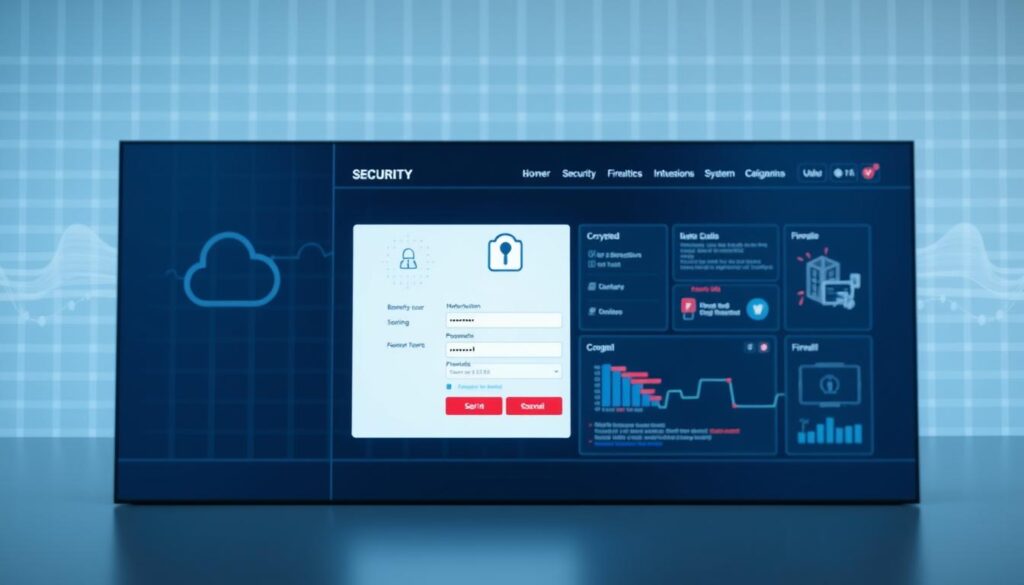
Proactive malware scanning and removal tools are critical for identifying and eliminating threats before they compromise your website. These tools use signature-based and heuristic detection methods to provide comprehensive protection.
Automated Backup Solutions
Automated backup solutions serve as your last line of defense, enabling you to quickly restore your website to a clean state in case of a security breach. Ensure your hosting provider offers regular automatic backups.
Two-Factor Authentication and Login Protection
Two-factor authentication significantly reduces the risk of unauthorized access to your hosting account and website administration areas. This additional layer of security is crucial for protecting against common entry points used by attackers.
| Security Feature | Description | Importance |
|---|---|---|
| SSL Certificates | Encrypts data between website and users | High |
| Firewall Protection | Blocks malicious traffic | High |
| DDoS Mitigation | Protects against volumetric attacks | High |
| Malware Scanning | Identifies and removes malware | High |
| Automated Backups | Ensures data recovery | High |
| Two-Factor Authentication | Secures login access | High |
By considering these essential security features, you can choose a hosting provider that effectively protects your website from various cyber threats, ensuring a secure online presence.
Understanding Different Types of Secure Hosting
The type of hosting you choose can significantly impact your website’s security. Different hosting options offer varying levels of protection, and understanding these differences is crucial for selecting the best fit for your online presence.
Shared Hosting Security Considerations
Shared hosting is a popular choice for beginners and small businesses due to its affordability and simplicity. However, it comes with inherent security risks because multiple websites share the same server resources. Reputable shared hosting providers mitigate these risks by implementing isolation techniques, such as jailed environments or containerization, to keep your site separate from others on the same server.
Despite these measures, shared hosting remains vulnerable to “noisy-neighbor” issues and potential security breaches from neighboring sites. It’s essential to choose a reliable hosting provider that prioritizes security and has a strong track record of protecting its users.
VPS and Dedicated Server Security Benefits
For websites with higher security needs or those handling sensitive data, VPS (Virtual Private Server) or dedicated server hosting offers enhanced security benefits. VPS hosting provides a virtualized environment that’s isolated from other users on the same physical server, giving you more control over your hosting environment.
Dedicated server hosting takes this a step further by allocating an entire physical server to your website, maximizing security and performance. Both VPS and dedicated server options are ideal for websites with specific compliance requirements or those expecting high traffic volumes.
Managed WordPress Security Advantages
Managed WordPress hosting is a specialized hosting solution designed specifically for WordPress sites. It offers unique security advantages, including specialized WordPress firewalls, automatic core updates, theme and plugin vulnerability scanning, and WordPress-specific malware removal.
This type of hosting is particularly beneficial for WordPress users who want to leverage the platform’s full potential without worrying about the technical aspects of security. By choosing a reputable managed WordPress hosting provider, you can ensure your website is protected with advanced security measures tailored to the WordPress ecosystem.
When deciding on a hosting type, consider factors like your website’s traffic, data sensitivity, and compliance requirements. Upgrading from shared hosting to more secure options like VPS or dedicated server hosting may be necessary as your website grows or if you handle sensitive information.
Top 10 Hosting Providers with the Best Security Features
With the increasing number of cyber threats, finding a web hosting provider with robust security features is more important than ever. Over the past year, we’ve conducted an extensive evaluation of various web hosting services, testing their server speeds, measuring downtime, assessing customer support, and analyzing prices to help you make an informed decision.
How We Evaluated These Providers
Our evaluation process involved a rigorous assessment of each provider’s security infrastructure, including their vulnerability response time, the availability of security features across different plan tiers, and their real-world performance during simulated attack scenarios. We also incorporated customer feedback and security incident history into our evaluation to provide a balanced view that combines technical assessment with actual user experiences.
- Security Infrastructure Assessment: We examined the robustness of each provider’s security measures, including firewalls, malware scanning, and DDoS mitigation.
- Vulnerability Response Time: We evaluated how quickly each provider responded to and resolved security vulnerabilities.
- Customer Feedback: We considered user reviews and ratings to understand the real-world performance of each provider’s security features.
What Sets These Providers Apart
The top 10 hosting providers we selected stand out due to their exceptional security features, which include proprietary security technologies, partnerships with cybersecurity firms, compliance certifications, and security-focused development practices. These providers have demonstrated a strong commitment to protecting their customers’ websites and data.
Some of the key security strengths among these providers include advanced threat detection, regular security audits, and robust incident response plans. By considering both the technical capabilities and the practical implementation of security features, we’ve compiled a list of the most secure web hosting providers available today.
SiteGround: Premium Security with WordPress Optimization

SiteGround stands out as a premier web hosting provider, offering exceptional security features tailored for WordPress users. Their comprehensive approach to security is designed to protect your website from various threats, ensuring your online presence remains secure and reliable.
Key Security Features
SiteGround’s security arsenal includes several key features that make it an attractive option for WordPress users. These features are designed to provide robust protection against common vulnerabilities and emerging threats.
Proprietary Security Plugin for WordPress
SiteGround has developed a proprietary security plugin for WordPress that offers advanced protection. This plugin is designed to safeguard your site against malware, brute-force attacks, and other security threats. By leveraging this plugin, you can significantly enhance your site’s security posture.
Automated Updates and Patch Management
Keeping your WordPress core, themes, and plugins up-to-date is crucial for security. SiteGround automates this process, ensuring that your site remains protected against vulnerabilities in outdated components. This proactive approach to patch management reduces the risk of security breaches.
Pros and Cons
While SiteGround offers exceptional security features, it’s essential to weigh the pros and cons. On the positive side, their security measures provide comprehensive protection, and their customer support is highly regarded. However, the renewal pricing can be steep, which may be a consideration for budget-conscious users.
Pricing and Security Package Options
SiteGround offers various plans, each with its security features. Understanding the pricing and what’s included in each plan is crucial for selecting the best option for your needs. Their plans are designed to cater to different types of users, from personal blogs to business websites requiring maximum protection.
Best For: Business Websites Requiring Maximum Protection
SiteGround is particularly well-suited for business websites that handle sensitive customer data or require compliance with specific security standards. Their robust security features, combined with reliable customer support, make them an ideal choice for businesses prioritizing website security.
Hostinger: Affordable Security with Advanced Protection
Hostinger distinguishes itself in the competitive world of web hosting by delivering top-notch security features at budget-friendly price points. This approach makes advanced protection accessible to small businesses and individual website owners who might otherwise be priced out of robust security solutions.
Key Security Features
Hostinger’s security arsenal is comprehensive, including several key features that work together to protect your website.
DDoS Protection and Malware Scanning
Hostinger offers a comprehensive DDoS protection system that prevents malicious traffic from overwhelming your site. Additionally, their malware scanning tools proactively identify and neutralize threats before they can compromise your website, ensuring your site remains secure and available to users.
LiteSpeed Acceleration with Security Benefits
The implementation of LiteSpeed web server technology not only improves your site’s performance but also enhances security. By reducing vulnerability windows and managing resources more effectively during traffic spikes, LiteSpeed helps keep your website secure and fast.
Pros and Cons
Hostinger’s excellent value proposition and strong security features make it an attractive option for budget-conscious users. However, potential limitations include their chat-only customer support system and the requirement for longer contracts to access the best pricing. Weighing these factors is crucial when deciding if Hostinger is the right choice for your website’s security needs.
Pricing and Security Package Options
Hostinger offers various plan tiers, each with its own set of security features. By comparing these plans, you can identify the sweet spot for your budget and security requirements. From basic plans with weekly backups to premium plans with daily backups, Hostinger’s pricing structure is designed to accommodate different needs and budgets.
Best For: Budget-Conscious Users Needing Solid Security
Hostinger excels for small businesses, bloggers, and portfolio sites that need strong security without breaking the bank. Its balance of affordability and advanced security features makes it an ideal choice for those who cannot compromise on security but are mindful of their budget.
IONOS: Enterprise-Grade Security for Small Businesses
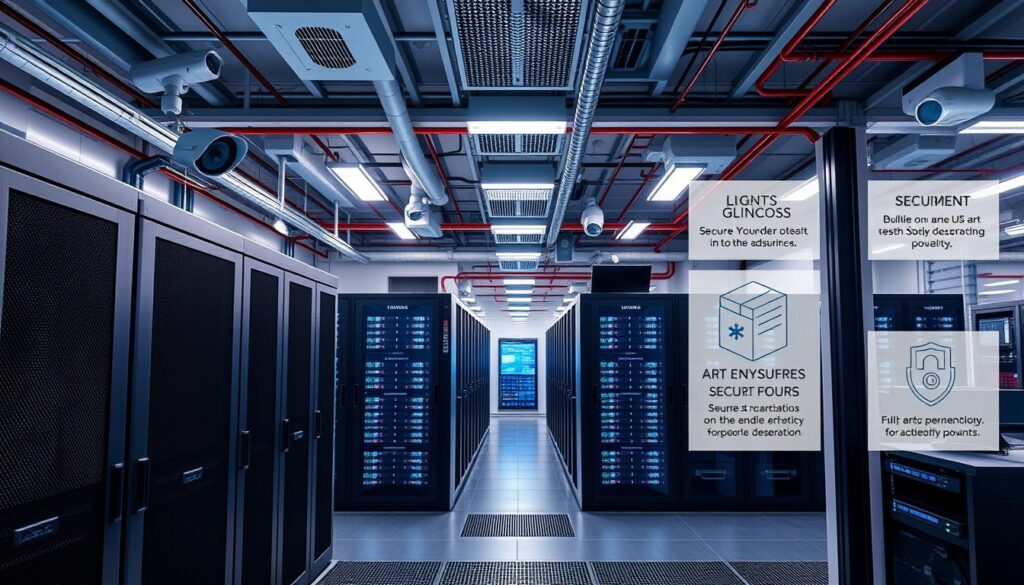
With IONOS, small businesses can enjoy high-end security features that were previously reserved for large enterprises. IONOS offers a range of hosting plans that are optimized for different business needs, all of which come with robust security measures.
Key Security Features
IONOS provides several key security features that make it an ideal choice for small businesses. These include:
Geo-Redundant Data Centers
IONOS’s geo-redundant data centers ensure that your website or application is always available, even in the event of a disaster. By replicating data across multiple locations, IONOS provides both improved performance and enhanced security.
DDoS Shield and Malware Protection
IONOS’s comprehensive DDoS shield can withstand massive volumetric attacks, protecting your website from downtime and data loss. Additionally, their advanced malware protection system combines signature-based detection with behavioral analysis to identify and neutralize both known and zero-day threats.
Pros and Cons
While IONOS offers exceptional security features and responsive customer support, there are some potential drawbacks to consider. For instance, their aggressive upselling during the signup process may be off-putting to some users. Additionally, some users have reported middling site speed performance.
Pricing and Security Package Options
IONOS offers flexible pricing plans that cater to different business needs. Notably, their one-year contract requirement makes them an attractive option for businesses uncertain about long-term commitments. IONOS also provides daily backups across all plan tiers, a feature that many competitors reserve for premium plans.
Best For: Small Businesses Requiring Enterprise Security
IONOS is particularly well-suited for small businesses that handle sensitive customer data or need to meet specific compliance requirements. Their enterprise-grade security features, combined with flexible pricing plans, make them an ideal choice for businesses that require high-end security without the hefty price tag.
By choosing IONOS, small businesses can benefit from advanced security features, reliable hosting services, and responsive customer support, all of which are essential for maintaining a secure online presence.
Hosting.com (formerly A2 Hosting): Turbo Servers with Enhanced Security

For websites requiring both speed and security, Hosting.com stands out with its Turbo Servers and enhanced security measures. Formerly known as A2 Hosting, this web hosting provider has evolved to offer a comprehensive range of hosting plans, including shared hosting, managed VPS, and dedicated hosting, catering to diverse website needs.
Key Security Features
Hosting.com’s security arsenal is robust, featuring several key components that work together to protect your website.
Dual Firewall Protection
One of the standout security features is the dual firewall protection system. This redundant security layer provides a more comprehensive defense against various attack vectors compared to single-firewall implementations. By having dual firewalls, Hosting.com ensures that your website is protected from multiple angles, significantly reducing the risk of a successful attack.
HackScan and Virus Protection
Hosting.com also employs its proprietary HackScan technology, which continuously monitors for malware and suspicious activities. Coupled with a robust virus protection system, HackScan guards against both common and emerging threats, ensuring your website remains secure and your visitors are protected.
Pros and Cons
While Hosting.com offers excellent performance optimization and security features, there are some considerations to keep in mind. On the positive side, the Turbo Server technology not only enhances site speed but also improves security by reducing vulnerability windows and better handling traffic spikes. However, some users may find the pricing tiers for advanced security features to be on the higher side, and customer support experiences can be inconsistent.
Pricing and Security Package Options
Hosting.com offers a variety of plans, each with its own set of security features. The pricing structure is tiered, with more advanced security features available in higher-tier plans. By examining the different plan options, you can choose the one that best balances performance and security for your website’s specific needs.
Best For: Performance-Focused Websites Needing Security
Hosting.com is particularly well-suited for e-commerce sites, membership platforms, and high-traffic blogs that require both speed and security to maintain user trust and conversion rates. If your website relies on fast loading times and robust security, Hosting.com’s Turbo Servers with enhanced security features make it an excellent choice.
DreamHost: Privacy-Focused Security Solutions

DreamHost stands out for its robust security features, particularly its focus on user privacy. As a web hosting service, DreamHost offers a range of plans, including shared hosting, managed WordPress hosting, VPS hosting, and cloud hosting. Their commitment to security is evident across all their plans, making them an ideal choice for websites handling sensitive personal information.
Security Features
DreamHost’s security features are designed to protect your website and user data. Some of the key security features include:
Malware Prevention and Removal
DreamHost employs a comprehensive malware prevention and removal system. This proactive approach includes regular scanning and automated cleanup processes to maintain site integrity, reducing the need for manual intervention. With DreamHost, you can rest assured that your site is protected against malware threats.
Domain Privacy Protection
DreamHost offers domain privacy protection, shielding your personal information from public WHOIS databases. This service reduces the risk of targeted attacks and unwanted solicitations that often begin with harvesting domain registration data. By keeping your personal information private, DreamHost helps protect your identity and maintain your online security.
Pros and Cons
While DreamHost offers excellent privacy protections and flexible month-to-month billing, there are some potential limitations to consider. Their custom control panel may have a learning curve for some users, and their U.S.-only server locations might not be ideal for everyone. However, for many users, the benefits of DreamHost’s security features will outweigh these limitations.
Pricing and Security Package Options
DreamHost’s pricing structure varies across different plan tiers, with security features included at each level. Their WordPress Basic plans start with a free SSL certificate, daily backups, and automatic WordPress updates. Higher-tier plans, such as DreamPress, offer additional security features like on-demand backups with one-click restores and Jetpack Security pre-installed. By choosing the right plan for your needs, you can ensure you’re getting the best value for your security requirements.
Best For: Privacy-Conscious Website Owners
DreamHost is particularly well-suited for websites handling personal information, membership sites, and organizations that prioritize user privacy as a core value. If you’re looking for a hosting service that takes security and privacy seriously, DreamHost is definitely worth considering. With their robust security features and commitment to user privacy, you can trust that your website is in good hands.
InMotion Hosting: Comprehensive Security Suite

InMotion Hosting’s comprehensive security suite is designed to provide maximum protection for business websites with high security requirements. This robust suite combines multiple layers of protection to create a formidable defense system against various cyber threats.
Key Security Features
InMotion Hosting’s security suite includes several key features that work together to safeguard your website and data. These features are designed to provide advanced protection against hacking attempts, malware infections, and other cyber threats.
Hack and Malware Protection
InMotion’s advanced hack and malware protection system uses proactive scanning, real-time monitoring, and automated remediation to identify and neutralize threats before they can compromise your website’s functionality or data integrity. This multi-layered approach ensures that your website remains secure and protected.
Security Patch Management
InMotion’s automated security patch management system keeps server software, control panels, and core applications updated with the latest security patches without requiring manual intervention. This ensures that your website remains protected against known vulnerabilities and reduces the risk of security breaches.
Pros and Cons
InMotion Hosting’s security suite offers several advantages, including excellent security features and U.S.-based customer support. However, potential limitations include higher price points and aggressive upselling during checkout. By weighing these pros and cons, you can make an informed decision about whether InMotion Hosting is the right choice for your business website.
Pricing and Security Package Options
InMotion Hosting offers various plan tiers, each with its own set of security features. By examining the pricing structure and security package options, you can determine which plan provides the best value for your business website with high security requirements.
Best For: Business Websites with High Security Requirements
InMotion Hosting is particularly well-suited for business websites that require high levels of security, such as e-commerce websites, financial service sites, and businesses that need to maintain compliance with specific security standards. With its comprehensive security suite and robust features, InMotion Hosting provides the protection and reliability that these businesses need.
Hostwinds: Customizable Security Solutions
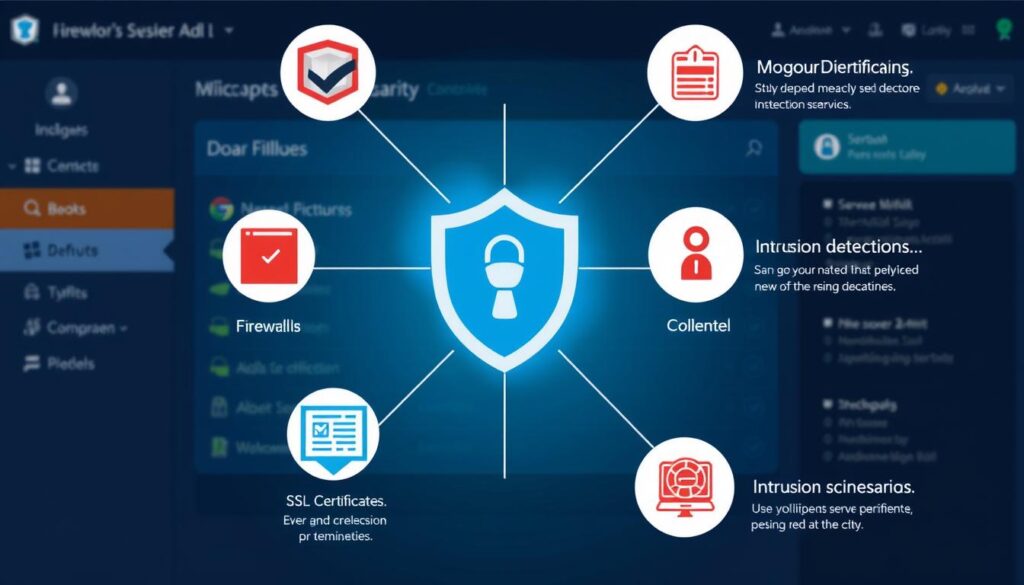
Hostwinds stands out in the web hosting landscape with its customizable security solutions. As a webmaster, you need a hosting provider that not only offers robust security features but also allows you to tailor these features to your specific requirements. Hostwinds achieves this balance, making it an attractive option for websites with unique security needs.
Key Security Features
Hostwinds’ security features are designed to provide comprehensive protection for your website. Some of the key features include:
Enterprise-Grade DDoS Protection
Hostwinds offers enterprise-grade DDoS protection that can withstand massive volumetric attacks. Their multi-layered approach identifies and mitigates attacks before they can impact your website’s availability, ensuring your site remains accessible to your users.
Server Hardening Options
With Hostwinds, you have the ability to harden your server with additional security measures beyond the standard offerings. This includes custom firewall rules, intrusion detection systems, and access control mechanisms, allowing you to implement a security strategy that fits your specific needs.
Pros and Cons
While Hostwinds offers excellent customization options and strong performance, there are some considerations to keep in mind. On the positive side, the flexibility in security features allows you to tailor your security setup precisely to your needs. However, fully leveraging these advanced features may require technical knowledge.
Pricing and Security Package Options
Hostwinds provides a range of hosting plans, including shared, VPS, cloud, and dedicated hosting, each with its own set of security features. Understanding the pricing structure and what’s included in each plan is crucial to making an informed decision about your hosting needs.
Best For: Websites Needing Tailored Security Solutions
Hostwinds is particularly suited for websites with unique security requirements, technical teams that want granular control over security implementations, and organizations that need to balance security with performance optimization. If you’re looking for a hosting provider that can adapt to your security needs, Hostwinds is worth considering.
Bluehost: WordPress-Optimized Security Features
Bluehost stands out as a premier managed WordPress hosting provider, offering a robust security framework that’s deeply integrated with WordPress. This integration creates a seamless security experience for WordPress users, ensuring that their websites are protected against various threats.
Key Security Features
Bluehost’s WordPress hosting plans come with several key security features that are designed to provide comprehensive protection.
SiteLock Security Integration
One of the standout security features is Bluehost’s integration with SiteLock, a service that guards your site from spammers, hackers, and malicious bots. SiteLock provides comprehensive website scanning, malware detection, and vulnerability identification specifically calibrated for WordPress installations.
CodeGuard Backup Solutions
Bluehost also offers CodeGuard backup solutions that automatically create daily backups with one-click restore capabilities. This feature ensures that your website data is safe and can be quickly restored in case of any issues.
Pros and Cons
While Bluehost offers excellent WordPress integration and a beginner-friendly approach, there are some potential limitations to consider. On the positive side, Bluehost’s security features are well-integrated with WordPress, making it easy for users to manage their website’s security. However, advanced security features are often limited to higher-tier plans, and renewal rates can be higher than initial sign-up costs.
Pricing and Security Package Options
Bluehost offers various pricing plans, with security features included at different levels. Understanding these plans is crucial to choosing the best value for your WordPress site’s security needs.
Best For: WordPress Users Seeking Integrated Security
Bluehost is particularly well-suited for WordPress users who need integrated security without technical complexity. This includes WordPress bloggers, small business WordPress sites, and WordPress-based online stores.
WordPress.com: Built-in Security for WordPress Sites

WordPress.com offers a robust security solution for WordPress sites, leveraging its unique position as both a hosting provider and the creator of the WordPress platform. This allows for deeply integrated protection that’s specifically optimized for WordPress sites, ensuring maximum security and performance.
Key Security Features
WordPress.com’s security features are designed to provide comprehensive protection for your WordPress site. Some of the key features include:
Jetpack Security integration provides features like brute force attack prevention, downtime monitoring, spam filtering, and malware scanning, all managed through a unified interface. This integration ensures that your site is protected from various threats and that you can easily manage security tasks.
Jetpack Security Integration
The Jetpack Security integration on WordPress.com offers advanced protection features, including brute force attack prevention and malware scanning. This means that your site is constantly monitored for potential threats, and you can rest assured that your data is safe.
Automated Data Center Failover
WordPress.com’s automated data center failover system replicates your site in real-time across multiple data centers. This ensures 99.999% uptime, even in the event of security incidents or infrastructure failures. Your site remains available to users at all times, maintaining your online presence.
Pros and Cons
While WordPress.com offers excellent WordPress-specific security features and a managed environment, there are some potential limitations to consider. On the positive side, the integrated security measures provide robust protection without requiring extensive technical knowledge. However, lower-tier plans may have restrictions on plugin installation, and the service can be more expensive than self-hosted WordPress options.
Pricing and Security Package Options
WordPress.com offers various pricing plans, each with different security features included. The plans range from basic to advanced, with higher-tier plans offering more comprehensive security measures. By understanding the pricing structure, you can choose the plan that best fits your security needs and budget.
Best For: WordPress-Exclusive Sites Needing Seamless Security
WordPress.com is particularly suited for content-focused WordPress sites, non-technical users who want WordPress without the security management headaches, and organizations that prioritize uptime and availability. If you’re looking for a hassle-free security solution that’s deeply integrated with WordPress, WordPress.com is an excellent choice.
How to Implement Additional Security Measures with Any Host
While a secure hosting provider is crucial, it’s equally important to implement additional security measures to protect your website. Your hosting provider can offer a solid foundation, but a robust security strategy involves more than just choosing a secure host; it requires ongoing effort and the right tools.
Essential WordPress Security Plugins
One of the most effective ways to enhance your website’s security is by using WordPress security plugins. Plugins like Wordfence, Sucuri, and iThemes Security offer a range of features that can significantly improve your site’s security. These plugins provide malware scanning, firewall protection, and login attempt tracking, among other features.
When choosing a security plugin, consider the following factors:
- Ease of use and configuration
- Compatibility with your WordPress version
- Features offered and their relevance to your needs
- Customer support and updates frequency
| Plugin Name | Key Features | Price |
|---|---|---|
| Wordfence | Malware scanning, Firewall protection | Free/Paid |
| Sucuri | Malware removal, Security hardening | Paid |
| iThemes Security | Login attempt tracking, File integrity monitoring | Paid |
Server-Level Security Enhancements
Even on shared hosting plans, you can implement server-level security enhancements. This includes .htaccess hardening, PHP configuration optimization, and file permission adjustments. These measures can significantly reduce your website’s vulnerability surface.
For example, you can restrict access to sensitive files by configuring your .htaccess file. Similarly, optimizing your PHP configuration can prevent common web attacks.

Regular Security Audits and Monitoring
Implementing a comprehensive security audit and monitoring system is crucial for identifying potential security issues before they become full-blown breaches. Tools for file integrity monitoring, login attempt tracking, and security log analysis can help you stay on top of your website’s security.
Regular security audits involve scanning your website for vulnerabilities, checking for outdated plugins and themes, and ensuring that all security measures are up to date. This proactive approach can significantly enhance your website’s security posture.
By combining hosting provider security features with additional tools and practices, you can create a layered security approach that addresses specific vulnerabilities common to your website type or content management system.
Comparing Security Features Across Top Hosting Providers
Comparing the security features of various hosting providers is a critical step in choosing the right host for your website. As you’ve seen in our previous sections, each of the top 10 hosting providers offers a unique set of security features. In this section, we’ll provide a comprehensive side-by-side comparison to help you quickly identify which provider best matches your specific security requirements.
Security Feature Comparison Chart
To facilitate a clear comparison, we’ve created a detailed security feature comparison chart. This chart evaluates providers across critical security dimensions, including SSL implementation, firewall protection, malware scanning, backup frequency, two-factor authentication, and DDoS mitigation capabilities.
| Hosting Provider | SSL Implementation | Firewall Protection | Malware Scanning | Backup Frequency | Two-Factor Authentication | DDoS Mitigation |
|---|---|---|---|---|---|---|
| SiteGround | Free SSL, Auto-renewal | Advanced Firewall | Daily Malware Scanning | Daily Backups | Available | DDoS Protection |
| Hostinger | Free SSL | Basic Firewall | Weekly Malware Scanning | Weekly Backups | Available | Limited DDoS Protection |
This chart allows you to visualize the security features offered by each provider, helping you make an informed decision based on your website’s specific needs.
Price-to-Security Value Analysis
Understanding the relationship between cost and security features is crucial. Our price-to-security value analysis examines which providers offer the best security value at different price points and for different hosting types.
- Shared Hosting: Providers like Hostinger offer robust security features at affordable prices, making them ideal for small websites or blogs.
- VPS and Dedicated Hosting: For more advanced users, providers like SiteGround and IONOS offer enhanced security features with their VPS and dedicated hosting plans.
- WordPress Hosting: Bluehost and WordPress.com provide specialized WordPress security features, offering comprehensive protection for WordPress sites.
By analyzing the security feature availability across different plan tiers and hosting types, you can determine which provider offers the best value for your specific needs.
Conclusion: Choosing the Right Secure Hosting Provider for Your Needs
The key to a secure online presence lies in selecting a hosting plan that balances security, performance, and scalability. As you’ve explored the various hosting providers and their security features, it’s essential to synthesize this information to make an informed decision that meets your specific needs.
Every website, regardless of its size or purpose, should prioritize certain key security features. These include SSL certificates for encrypted connections, regular backups to prevent data loss, firewall protection to block unauthorized access, and malware scanning to detect and remove threats. These features represent the minimum security baseline that every website should have.
Different types of websites have unique security requirements. For instance, e-commerce sites need robust security to protect customer data and financial transactions. Membership platforms require secure authentication and authorization mechanisms. Content-focused blogs need protection against malware and DDoS attacks. When choosing a hosting provider, consider the specific security needs of your website category.
To make the right choice, you must balance security considerations with other important hosting factors. These include performance, to ensure your website loads quickly; scalability, to accommodate growth; customer support quality, for assistance when needed; and pricing, to fit your budget. A good hosting provider should offer a balance of these factors.
Be aware of common security misconceptions and pitfalls. Some hosting plans might seem secure on the surface but lack crucial features or have inadequate implementation. For example, a plan with SSL certificates but without regular malware scanning is not fully secure. Always look beyond the surface level when evaluating a hosting provider’s security.
As your website grows, your security needs will evolve. Signs that you’ve outgrown your current hosting provider’s security capabilities include increased traffic, more complex security threats, or the need for more advanced security features. When upgrading to more robust security solutions, consider providers that offer scalable plans and advanced security features.
Looking ahead, the landscape of web hosting security is likely to evolve with emerging threats and technologies. Stay informed about the latest security trends and adjust your hosting choice accordingly to ensure your website remains secure into the future.
In conclusion, choosing the right secure hosting provider involves careful consideration of your website’s specific needs, balancing security with other hosting factors, and staying informed about the evolving security landscape. By following these guidelines, you can ensure a secure and reliable online presence for your website.